
Cinetopia Salons: The Battle of Algiers (1966) + short archive film programme
Thu 10 DecThis December, we mark the 60th anniversary of one of the most electrifying war films ever made, paired with archival moving image material connecting thematically to the cultural moment of Mai 1968 as part of Fleur Darkin’s Nanterrism project and co-curated by guest programmer Liam Schell. This short archive programme and introduction is designed to provide socio-cultural context to the film and the period of its release in 1966 in both UK and Scotland and the student protests leading up to les evenements in France.
Gillo Pontecorvo’s The Battle of Algiers takes us to the Casbah between 1954 and 1957, as Algeria’s fight for independence from French rule moves from whispered meetings to open urban warfare. We follow Ali La Pointe, a small-time street hustler drawn into the National Liberation Front, and Colonel Mathieu, the paratroop commander sent to crush it. Bombs go off in cafés. Suspects are dragged into interrogation rooms. The city holds its breath. Shot in black and white on the real streets of Algiers, with a largely non-professional cast, hand-held cameras and a pulsing score co-written by Ennio Morricone, the film has an immediate, newsreel-like quality, even though every frame was staged. Real-life FLN commander Saadi Yacef helped produce the film and plays a character based on himself.
The film’s power lies in its refusal to simplify. Pontecorvo shows the violence of both sides with the same unflinching clarity, and asks us to understand before we judge. It won the Golden Lion at Venice in 1966, earned three Oscar nominations, and was banned in France for five years. Its influence has been extraordinary and strange: studied by filmmakers, borrowed by revolutionaries, and screened at the Pentagon in 2003 as the Iraq War began. Sixty years on, it remains startlingly modern, and still one of the great arguments for what cinema can do.
Evening Schedule
18.00: Refreshments and nibbles in the Salon - served on a complimentary basis
19.00: Introductions by Cinetopia guest programmer Liam Schell and theatre director Fleur Darkin - together they will present a contextual selection of archival moving image
19.30pm: Film screening
21.45pm: Evening ends
Please note: There will be no paid bar at this Salon, however complimentary soft refreshments and nibbles will still be served. These are only allowed in the Salon space before and after the screening. Please do not take drinks into the cinema auditorium.
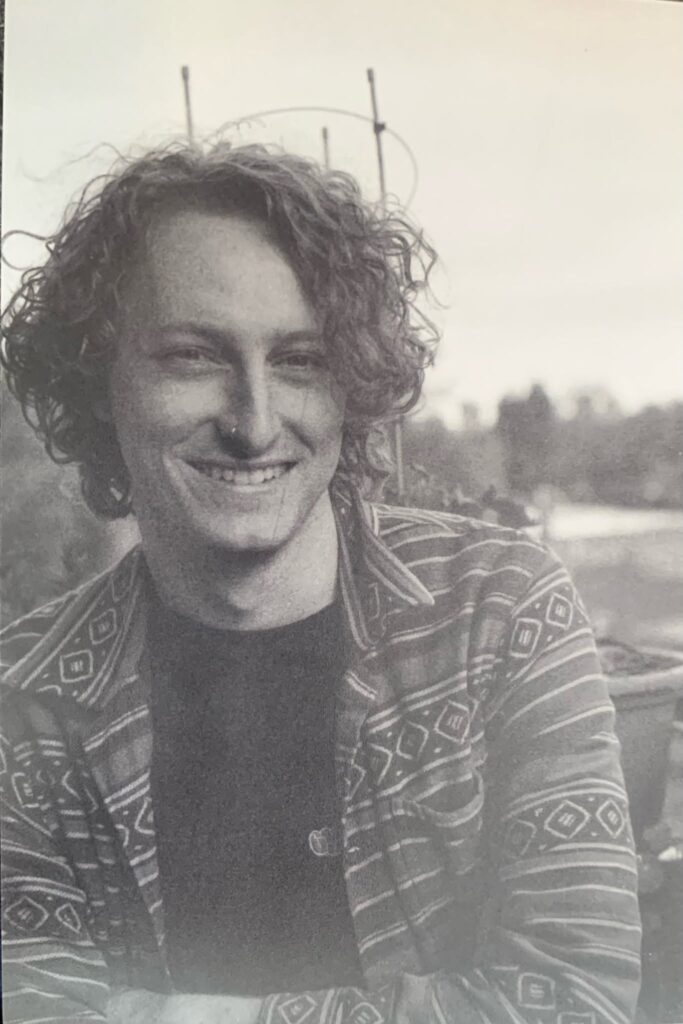
Liam Schell is a film programmer, community cinema worker and content producer based in Edinburgh. Originally from Ottawa, Canada, Liam holds an MA in Film and Photography Preservation and Collections Management from Toronto Metropolitan University. In 2023 he completed an internship with the Université de Montréal CinéMédias Lab as part of Cadavre exquis, a project that worked to digitize 16mm science and health films from the University’s collection for cultural use. Following this, Liam acted as the Film Archive Resident at The Cinematheque in Vancouver, Canada working in their West Coast Film Archive where he wrote his Major Research Paper titled Screening the Archive: Exhibition as a Preservation Strategy at The Cinematheque. After relocating to Edinburgh, he became a founding member of Leith Kino, a weekly community cinema night happening in Leith. Liam has also recently acted as a coordinator for Fiends in the Furrows Folk Horror Festival and a preselector for the London Short Film Festival. His curatorial interests lie in Canadian cinema, International arthouse films and the intersection of archives and exhibition spaces.
Fleur Darkin is an award-winning choreographer, theatre director and writer whose work spans theatre, dance, opera and interdisciplinary performance. She is Artistic Director of Presence Projects and previously Artistic Director/Co-Chief Executive of Scottish Dance Theatre. Her work has been presented internationally, with productions/commissions for Edinburgh International Festival, Cerevantino Festival (Mexico), Royal Lyceum Edinburgh, Garsington Opera, Galpon de Guevara (Argentina), SESC (Brazil), Danza Contemporánea de Cuba, Abbey Theatre (Eire), National Theatre (London) and National Theatre of Scotland. Her practice brings together movement, text and visual storytelling, often working across artistic disciplines and national borders. She is currently developing Nanterrism, a new bilingual performance created in collaboration with artists from France and the UK.
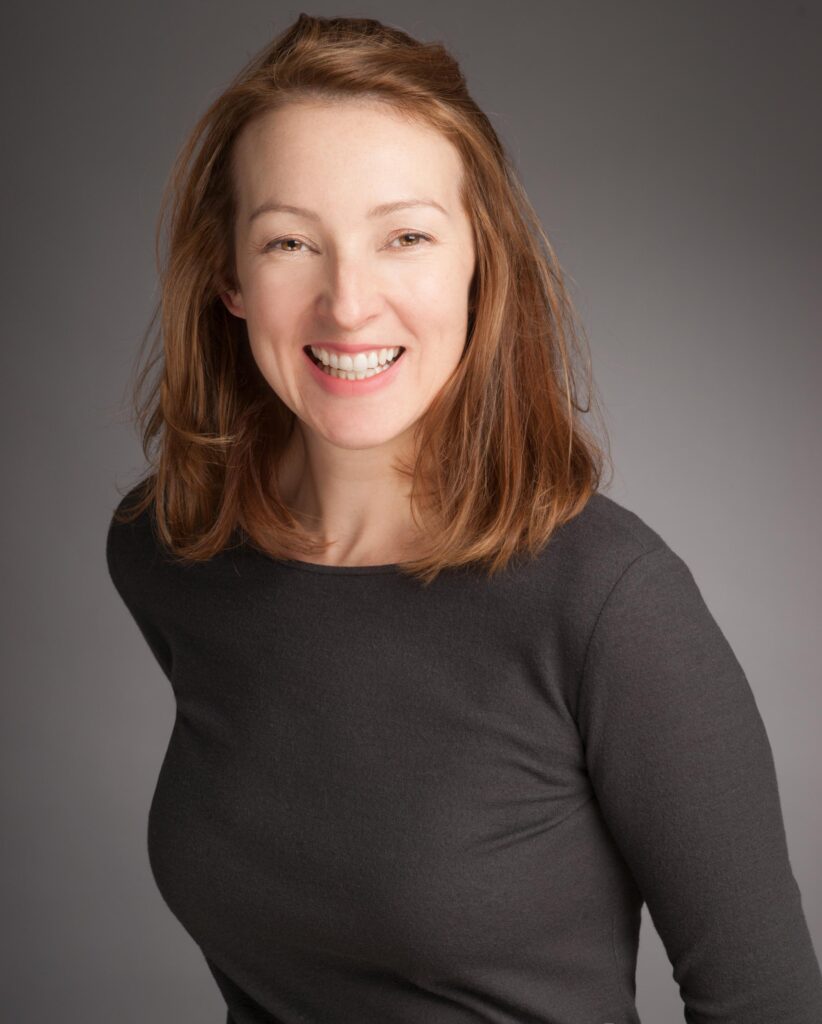
Nanterrism is a new interdisciplinary performance in development exploring the revolutionary events of May 1968 and their resonance with contemporary struggles.
Made in Scotland and supported by Theatre National de Bretagne (TNB), Nanterrism is set in March 1968 and follows a radical film club of international students in their attempt at occupying a Parisian cinema. The work brings together seven performers from France and the UK, combining theatre, dance, film and archival material. Moving between French and English, the performers improvise and translate live, inviting audiences into a collective act of resistance.
Rather than revisiting 1968 through nostalgia, Nanterrism explores how participation in collective struggle transforms people’s understanding of themselves and the world around them, and how movements of the past continue to shape the possibilities of the present.
The work is being supported by French Institute United Kingdom – Cross Channel Theater, Brittany Region, TNB, Creative Scotland.
In partnership with
Cinetopia Salon is supported by Film Hub Scotland, part of the BFI’s Film Audience Network, and funded by Screen Scotland and National Lottery funding from the BFI.